
Tonye Cole: Learning to Think in the Age of AI – Reflections from the Blavatnik School of Government

Tonye Cole recently joined a discussion on AI and the future of learning. Drawing on his experience as an entrepreneur and investor in technology and digital infrastructure, Tonye put forward that while AI can provide answers in seconds, it cannot teach critical thinking.
The biggest challenge educators face in harnessing artificial intelligence is how to raise critical thinkers aided by technology, not replaced by it.
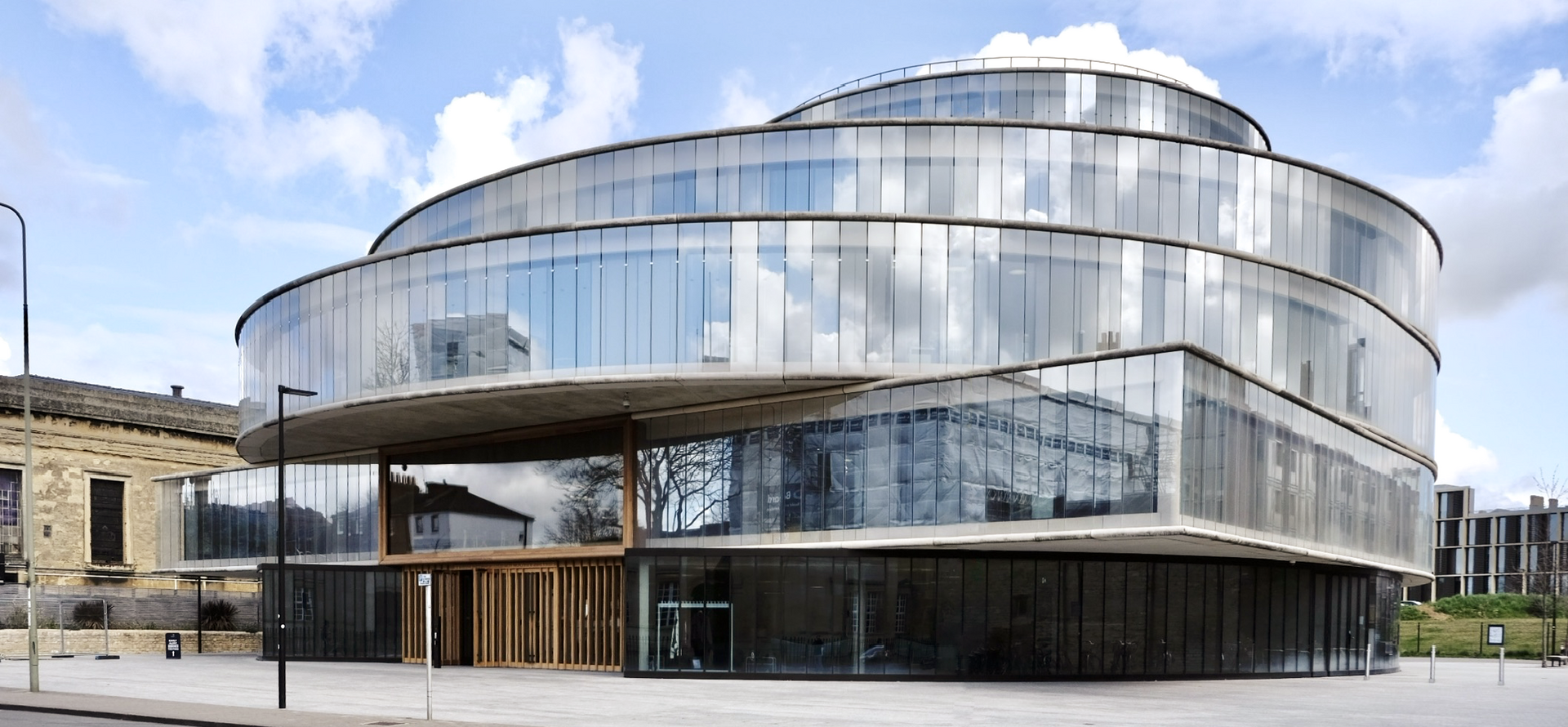
I recently grappled with this question at a gathering of master’s students in public policy at the Blavatnik School of Government at Oxford University, where I sit in the Dean’s Circle.
Much was discussed across a broad spectrum of issues.
But one topic kept returning to the core. AI and what it means for the future of learning.
The debate wasn’t whether AI will become part a greater part of education – it already is – but how we ensure it enhances learning rather than replaces it.
We have reached a point where access to information is no longer the challenge but developing the judgement to interpret it is.
AI can generate an answer in seconds, but it cannot teach critical thinking.
Research from Oxford University Press found that 80% of young people are already using AI in their schoolwork, while 60% worry that it encourages copying rather than original thinking. Fewer than half feel confident identifying accurate AI-generated information.[1]
My reflections at the Blavatnik School were that students should understand not only how to use these tools, but how to interrogate them, identify their limitations, challenge their outputs and apply human judgement.
Back in Rivers State and across Nigeria that conversation is no less important than it is in Oxford.
Nigeria’s greatest asset has always been its young people.
There are an estimated 73 million young people aged 10 to 24, according to the United Nations Population Fund. This represents more than 30 per cent of the population who remain central to the country’s demographic future.[2]
Few countries in the world have a demographic profile like that. It represents an extraordinary opportunity, but also a responsibility.
Our challenge at home is threefold.
First, we need the reliable critical infrastructure that allows digital capability to exist in the first place.
Second, we need to widen access, so that young Nigerians are not simply consumers of technology, but confident digital natives from an early age.
Finally, we need to ensure AI is used to supercharge learning, enterprise and job creation for the next generation.
That means investing not only in skills, but in the foundations beneath them: connectivity, power, cybersecurity, data infrastructure and the local systems that allow technology to work reliably across the country.
Too much of Nigeria’s digital capacity remains concentrated around the coast and primarily in the south-west.
If we are serious about building a national digital economy, we need resilient infrastructure that reaches further inland and supports innovation wherever talent is found.
That is one reason why I continue to support and invest in initiatives across AI, cybersecurity, data infrastructure and technology. Cole Tech Yard, Fringe Datacenter, Dataworld and Fibreworld Telecommunication Networks are all testament to this commitment.
Just as importantly, I am backing young entrepreneurs who are using technology and AI to solve some of the country’s most difficult challenges.
Our challenges are complex, but they are not insurmountable.
If we invest in the right foundations, AI can help unlock the talent, confidence and creativity already present in Nigeria’s young people.
The future will not belong to those who simply know how to use artificial intelligence.
It will belong to those who know how to think independently, exercise sound judgement and ask the questions that technology alone cannot answer.